I have watched it happen over and over…
During my years of sales at Bonhams and Broad Arrow Auctions, I saw the same pattern repeat itself with a regularity that never stopped being painful to witness. A paddle goes up one too many times. The hammer falls. The buyer turns to whoever is next to them with a look that is equal parts triumph and quiet panic. They have just paid more than they intended. They know it and everyone around them does too. But it was a fun; at least the moment was.
The calls would come weeks later. Sometimes months. After the transport had arrived, after the first inspection, after the first estimate from the mechanic. Sometimes it was a mechanical issue but more often it was simply the slow realization that the purchase price - already above budget - had only been the beginning. The buyer had not been reckless or naive, they were often experienced, successful people who had simply let desire outrun discipline at the critical moment. And now they were stuck with a car they loved but could not quite afford to own properly or simply did not want anymore.
What made it worse - and this is the part nobody talks about - is that I would see the same people again, not as buyers this time, but as sellers. And they would come with a number in their head that reflected what they needed to get out, not what the market was prepared to give them. Because they had overpaid on the way in, they needed to overprice on the way out. So the car would come to us first - a proper live auction, the kind with a glossy catalogue entry and a healthy estimate. It would not sell. Months later it would appear on Bring a Trailer, where the crowd is knowledgeable and unforgiving and has no interest in carrying someone else's mistake, so it would not sell there either. And eventually, several months later, it would cross the block at Mecum without reserve. No estimate to hide behind, just the market, telling the truth it had been trying to tell from the beginning. That final hammer price was rarely a surprise to anyone in the room except, somehow, the seller. The excitement of that original auction had long since faded. What remained was the ego that had refused to accept that the biggest mistake had been made at purchase.
The lesson I took from watching this cycle play out from both sides of the rostrum, is a simple one: you make your profit - or limit your losses - at purchase, not at resale. The entry point is everything. Get it right and the rest of the ownership experience tends to take care of itself. Get it wrong and no amount of patience, polish, or optimistic pricing will fully correct the mistake.
The error was almost always the same. Buying what you want, rather than what you can actually afford.
Those two things sound like the same thing. They rarely are.
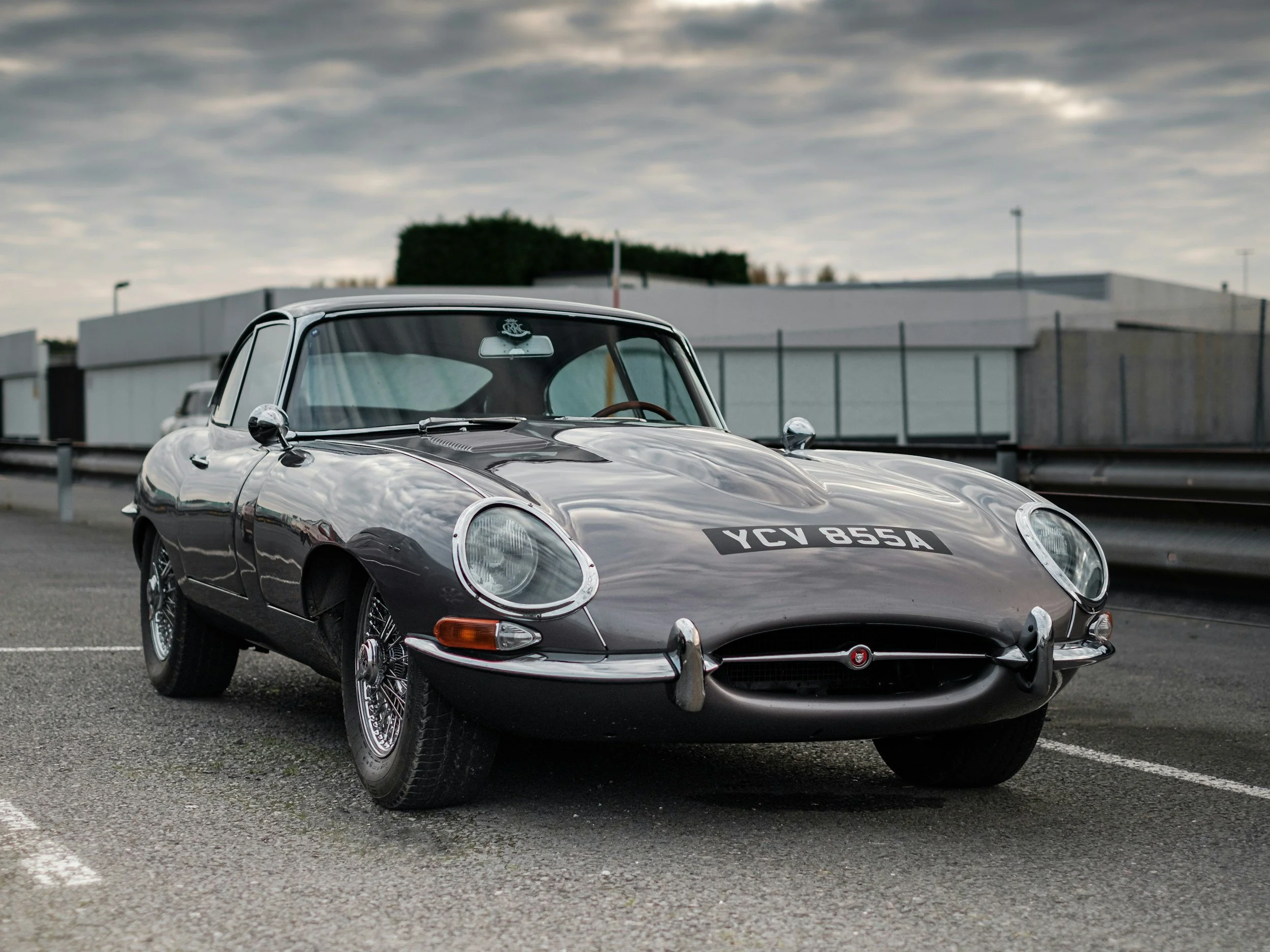
Jaguar E-Type Coupe Series 1
Case study: Jaguar E-Type
Story one: the guy who bought what he wanted
Bob had been watching E-Type prices for two years. His budget was $100,000. He knew that with that budget, he could have a clean, well-sorted Series 1 Coupe. And he could go just beyond it if the car was right.
He found one through auction. A 1965 4.2 Coupe, matching numbers with older restoration that presented beautifully in the listing photos. He saw the car in person, but did not arrange an independent inspection - the photos were beautiful, the description was thorough and the car looked stunning. Plus he was buying from a reputable auction house so the car must be in perfect shape. Right? It seemed like it to him so he told himself he could go slightly beyond his budget.
Bob won the auction at $115,000 + premium and taxes. Yes auction houses apply taxes on lots sold and actually a good amount of buyers are not aware of this. Then came the transport. A covered transporter from the other side of the country - because of course you do not ship an E-Type on an open trailer - added another $1,800. By the time the car sat in his garage, he was already +$130,000 into a car he had budgeted $100,000 for, and he had not driven it once.
Then came the first drive and the the first call to a mechanic.
The restoration, it turned out, was rather cosmetic. The engine needed attention and the wiring - always the wiring on an E-Type - was a project in its own right. By the time the car was genuinely sorted, he had spent another $18,000 in workshop bills he had not planned for, and the car was still worth roughly what he had paid. The market had not moved. He had simply paid full retail for a car that needed work, without knowing it needed work, because nobody with the right eye had ever looked at it before he bought it.
Bob was not ruined, but he was stuck. Selling meant taking a loss. Not selling meant living with a car whose every small noise carried a new anxiety. The passion had become pressure. The E-Type that had lived in his imagination for two years had become, in reality, a source of stress he could not afford.
Bob is not having fun with his classic car.
Story two: the guy who bought what he could afford
Same budget. Same desire. Different approach.
Rick also wanted a Series 1. But as he started looking, he called a friend. Someone who had been around classic cars, who knew the E-Type market, and who had no agenda other than to give him an honest opinion over a coffee. That conversation changed everything.
Not because his friend told him anything revolutionary, but because having someone in the room who knew the market forced him to ask the questions he had been avoiding. What does a truly sorted Series 1 Coupe actually cost, all in? Not just the sale price but also the transport, the inspection, the first service, the insurance, the storage. What does the ownership of this specific car actually look like in year one?
The honest answer was that his $100,000 budget, properly stress-tested, did not comfortably reach a Series 1 he could trust. Not without cutting corners somewhere. And cutting corners, his friend pointed out, was exactly how people ended up in the situation described in the first story.
So under his friends’s advice, Rick went for a Series 2 instead. And once that decision was made, his friend - who as it happened worked in the industry - helped him do it properly. Identified the right cars. Pointed him toward a 1970 Coupe with a clean history and a recent mechanical refresh by a known specialist. Went over the documentation. Helped him negotiate. The whole process felt less like a transaction and more like buying a car with someone who genuinely knew what they were doing standing next to him.
Rick paid $67,000. Transport was handled efficiently. No surprises on arrival. No hidden bills in the first six months. He knew what he had bought because someone with the right eye had looked at it before he did.
He drove it. He used it. He showed up to events without wondering what it was going to cost him next. And two years later, when a genuinely exceptional matching-numbers Series 1 came up through that same friend, he was ready. He sold the Series 2 for $71,000, added what he had saved in the meantime, and bought the car he had always wanted. On his terms.
He had bought the right car first. And it had taken him exactly where he wanted to go.
Rick is having fun with classic cars.
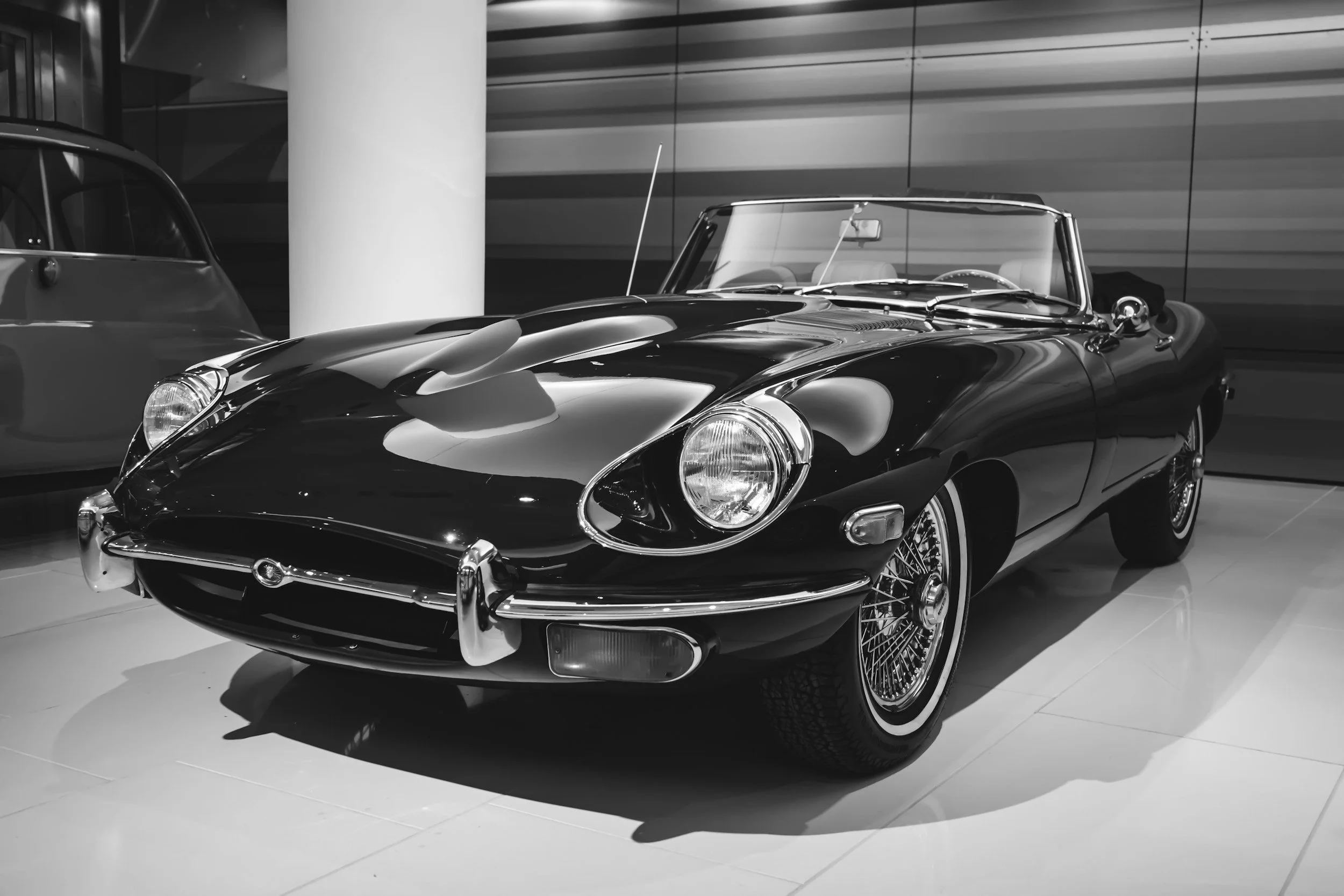
Jaguar E-Type Roadster Series 2
This is not just about classic cars
The same logic applies everywhere in this hobby - and honestly, well beyond it.
Financing a brand new BMW M3 when a two-year-old example in perfect condition exists for $25,000 less, with the worst of the depreciation already absorbed by someone else. Buying the new BMW R1300 GS when a recent R1250 GS with low mileage does everything you need and sits $8,000 cheaper with no depreciation risk. Stretching for a concours-condition example when a solid, honest driver would bring you just as much joy and cost you half the anxiety.
The desire is always real and the desire is the whole point, it is a hobby after all. But desire without discipline is just expensive impatience.
If you try to corner the market, it is ultimately the market that will corner you. The collectors who build great collections - and actually enjoy them - are the ones who understand that controlling your entry controls everything that follows. Your exit. Your enjoyment. Your ability to act when the right car finally appears.
The car you want today will still exist tomorrow. Buy the right thing first.
God Save the Wheels
